





















BC Change of Use Permits: Why Your Business Type Dictates Your Budget

The Occupancy Classification Trap

In BC, a warehouse isn't just a warehouse. If your new business type doesn't match the building's current Part 3 classification, you are looking at a 'Change of Use' permit that can trigger mandatory—and expensive—structural upgrades.

Canadian Blueprint Logo

Date Published: April 16, 2026

When leasing a commercial space in the Lower Mainland, most tenants assume that if the space looks ready, it is ready. This is rarely the case. Under the BC Building Code, every building is assigned a 'Major Occupancy' classification.

Why Business Type Matters

If you move a 'Group A' restaurant into a space previously occupied by a 'Group D' office, you have triggered a Change of Use. This isn't just an administrative update; it is a technical reset. The code assumes a restaurant has a higher occupant load and higher fire risk than an office.

The Hidden Construction Domino Effect

A Change of Use permit often requires you to 'upgrade' the building to meet current standards for the new use. This can mean:

  • Firewall Upgrades: Adding additional layers of Type X gypsum or fire-stopping between units.
  • Ceiling Assemblies: Upgrading to a fire-rated T-bar or drywall ceiling system.
  • Mechanical Overhauls: New ventilation and exhaust requirements that the existing 'shell' cannot support.
  1. 1
    Identify Current vs. Proposed Occupancy Class
  2. 2
    Analyze Part 3 Fire Separation Requirements
  3. 3
    Verify Mechanical and Plumbing Capacity
  4. 4
    Submit for Change of Use and TI Permit

The Cost of 'Assuming'

Before you sign a lease in Burnaby or Surrey, you must perform a permit feasibility review. We have seen tenants sign five-year leases only to discover that the Change of Use requirements will cost $50,000+ before they can even open their doors.

Our commercial design services help you identify these 'Part 3' notes early. We coordinate with mechanical and structural engineers to ensure your tenant improvement budget accounts for the reality of the building code, not just the cosmetics.

Common BC Occupancy Classifications (Part 3)

Understanding the major occupancy groups that trigger a Change of Use.

GroupClassificationExamples
Group AAssemblyRestaurants, Gyms, Daycares
Group DBusiness/Personal ServiceOffices, Professional Services
Group EMercantileRetail Stores, Shops
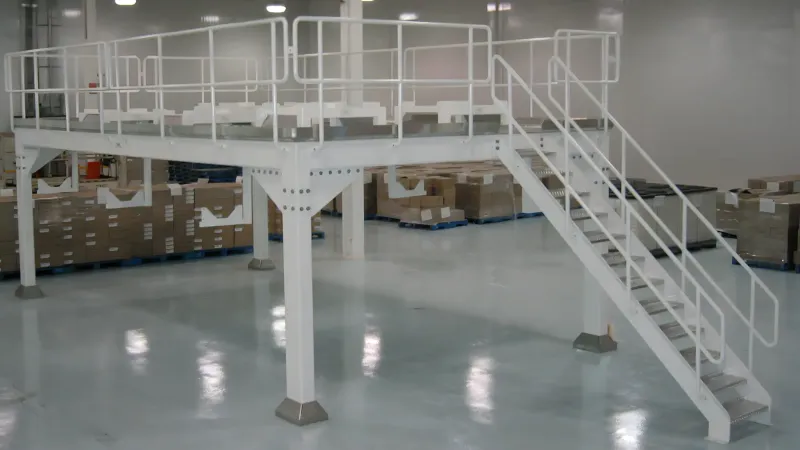
Group FIndustrialWarehouses, Manufacturing (F1-F3)

FAQ: The Occupancy Classification Trap

What is the biggest cost in a Change of Use permit?

Upgrading fire separations (firewalls and ceilings) to meet the new occupancy's safety requirements is usually the largest unexpected expense.

Do I need an architect for a Change of Use?

For Part 3 buildings (most commercial spaces), you will likely need a registered professional to assign the classification and coordinate the life-safety systems.

Articles You May Be Interested In

Browse more guides and articles on building design, code compliance, and project planning. Find expert insights and practical tips for your next project.

Ready to Start Your Project?

Contact us today for a free consultation and let us help you navigate the permit process with ease.