


















This guide explains why this change is such a significant step forward, not just for safety, but for the comfort, efficiency, and longevity of your home's mechanical systems.
The Old Way: The Problem with "Rule-of-Thumb"
For decades, the common practice for sizing furnaces and air conditioners was a simple "rule-of-thumb" (e.g., X BTUs per square foot). While easy, this method is wildly inaccurate and almost always leads to oversized equipment. An oversized HVAC system is a major problem:
- Inefficiency & High Bills: An oversized furnace or AC unit runs in short, frequent bursts ("short-cycling") instead of longer, efficient cycles. It's like constantly stopping and starting your car in city traffic—it burns more fuel.
- Poor Comfort: During summer, short-cycling prevents the system from properly dehumidifying the air, leaving your home feeling cool but clammy.
- Increased Wear & Tear: The constant starting and stopping puts extra strain on components, leading to more frequent breakdowns and a shorter equipment lifespan.
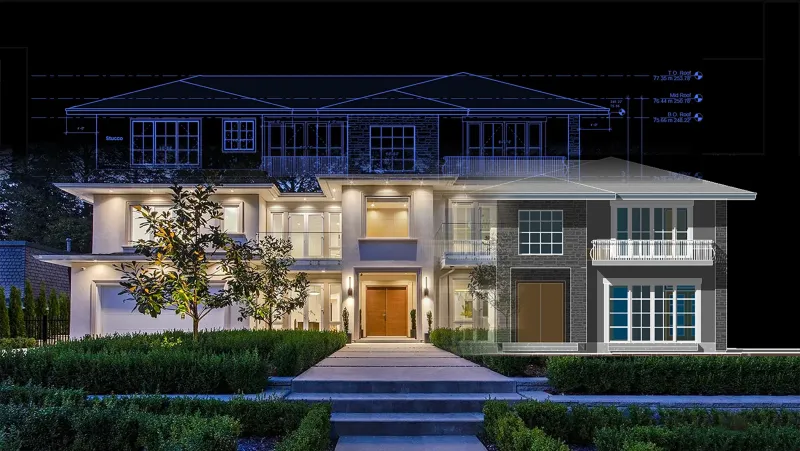
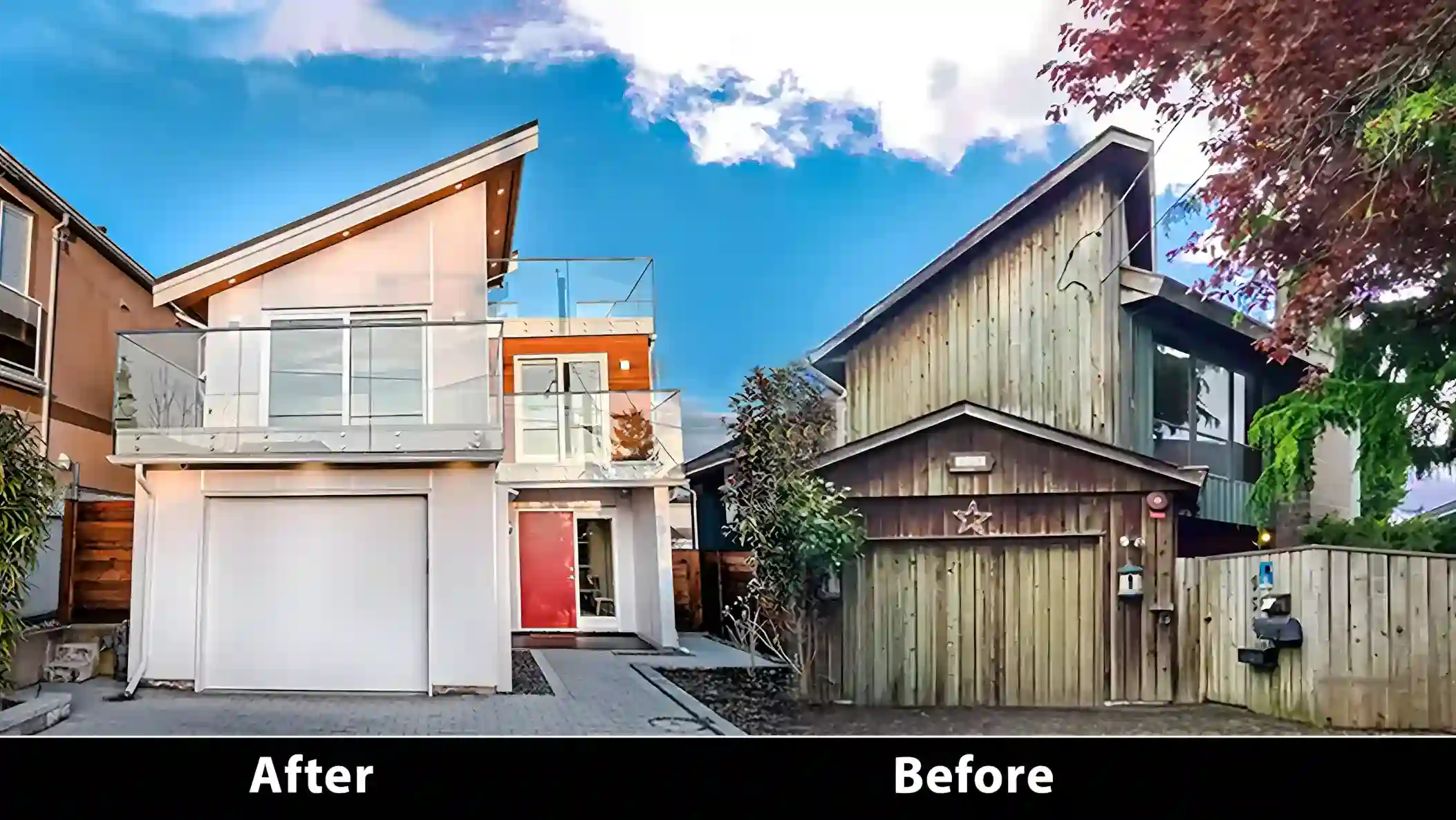
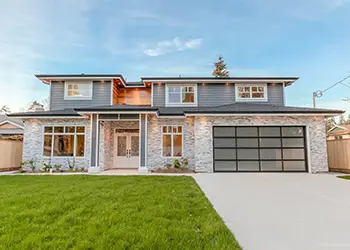
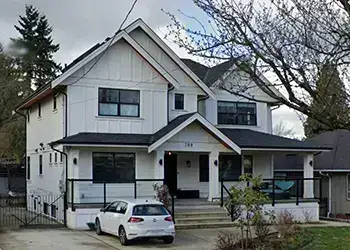
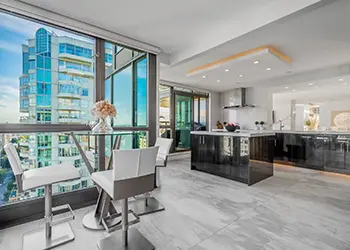
As you can see, square footage alone is a terrible predictor. The massive West Vancouver home needs a system over 5 times larger than the Nanaimo home because of its vast window area. Only a detailed calculation can get this right.
The Right Way: How CSA F280 "Right-Sizes" Your System
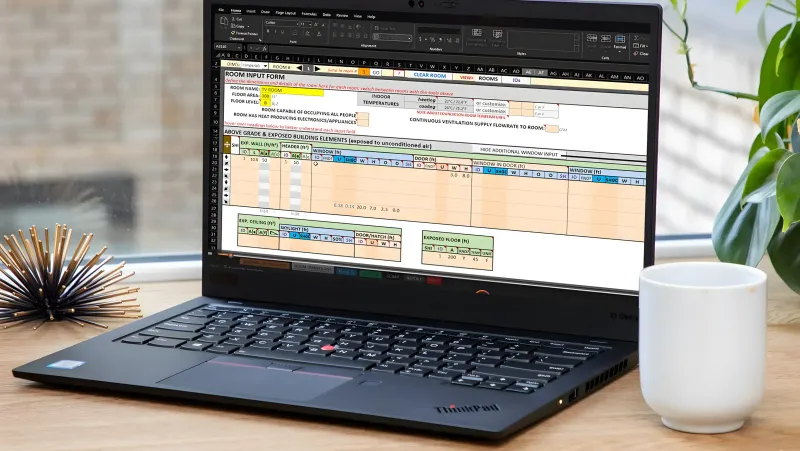
The CSA F280-12 standard is a comprehensive engineering calculation. It forces designers to move beyond guesswork and account for every factor that affects a home's thermal performance:
- The R-value of every wall, roof, and foundation assembly.
- The U-value and Solar Heat Gain Coefficient (SHGC) of every window and door.
- The home's orientation and the impact of solar gains.
- The home's air tightness (ACH).
- The heat recovery provided by the HRV/ERV.
By analyzing these inputs, we can determine the exact peak heating and cooling loads, allowing us to select equipment that is perfectly "right-sized"—powerful enough for the coldest night and hottest day, but not so large that it becomes inefficient.
Critical Error to Avoid: Modeling the Refuge Room
A common and critical mistake is performing the heat gain calculation on the entire house instead of just the designated refuge room. As highlighted by TECA (Thermal Environmental Comfort Association), this leads to an incorrect, undersized cooling load.
The Correct Method: To accurately model the refuge room, a designer must treat it as an isolated space. This means the interior walls are treated as "exterior" surfaces exposed to the heat of the uncooled house, and the heat from all occupants is concentrated in that one room.
Good Process Leads to Good Results
The BC Building Code's new overheating rule is a major step forward. It not only enhances safety but also mandates a superior design process. By requiring the CSA F280 standard, the province ensures that homeowners can move past the era of guesswork and benefit from homes that are more comfortable, efficient, and durable. Taking ownership of this calculation is key to avoiding the costly issues of improper HVAC sizing.
References & Further Reading
Canadian Blueprint Inc.
BC Building Design & Permit Drawings
Published July 21, 2025