
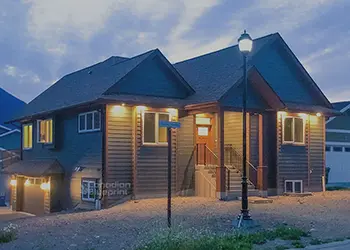
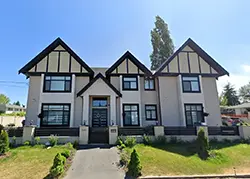
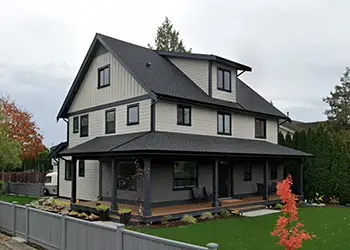

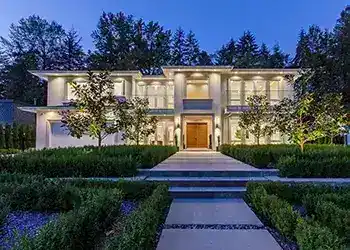
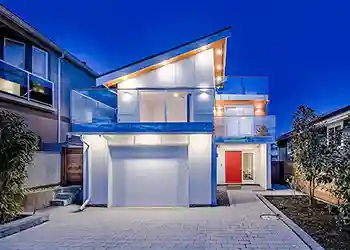
Five years ago, building a coach house (often called a laneway house in Vancouver) or converting a single-family lot into a duplex required complex variances, lengthy hearings, and strict lot size minimums. Today, BC's zoning landscape has shifted dramatically. The introduction of Bill 44 and the province-wide Small-Scale Multi-Unit Housing (SSMUH) framework has made coach houses, triplexes, and fourplexes as-of-right on most residential lots.
For Metro Vancouver homeowners, this isn't just a zoning update—it's a passive income opportunity. A well-designed coach house or duplex conversion can generate $2,000–$3,500+ in monthly rental income, offset mortgage costs, and significantly increase property valuation.
Zoning Changes That Made Coach Houses Feasible
Key shifts across Vancouver, Burnaby, Surrey, and Richmond include:
- As-of-right multiplex zoning — Most RS-zoned lots now support 3–4 units without rezoning.
- Relaxed setback & height rules — Coach houses up to ~1,000 sq ft are permitted with reduced side/rear setbacks (often 1.5 m minimum) and height allowances up to 7.5–8.5 m.
- Utility capacity allowances — Municipalities have streamlined sewer, water, and electrical upgrade pathways for secondary dwelling units.
- SSMUH density incentives — Adding a coach house or converting to a duplex qualifies for provincial density bonuses, reducing development cost charges (DCCs) in many municipalities.
These changes mean your lot likely qualifies for a coach house today where it would have been rejected in 2020.
The Compliance Reality: Fire Separation, Step Code & Utilities
Coach houses and duplex conversions are not exempt from the BC Building Code. Key compliance areas include:
- Fire separation — Detached coach houses require 1-hour fire-rated walls facing the primary dwelling if within 1.2 m. Duplex conversions require full 1.5-hour fire separations between units, independent egress, and smoke compartmentalization.
- BC Energy Step Code — All new coach houses and duplex additions must meet Step 3 or 4, requiring continuous insulation, airtightness testing, HRV installation, and thermal bridging prevention.
- Utility upgrades — Most lots require a secondary water meter, upgraded sewer laterals (200 mm minimum), and a dedicated electrical panel for the coach house or second unit.
Stock "coach house plans" rarely address these site-specific requirements. Municipal reviewers will reject generic layouts that lack fire separation details, Step Code compliance documentation, or accurate utility routing.
From Concept to Rental Income
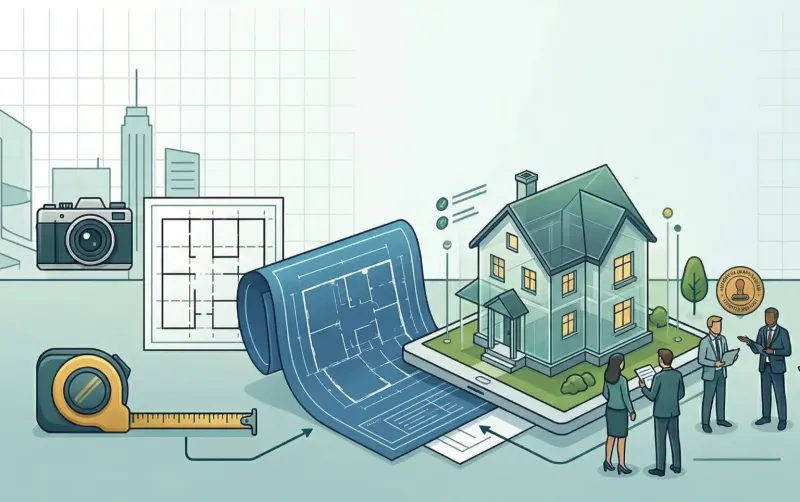
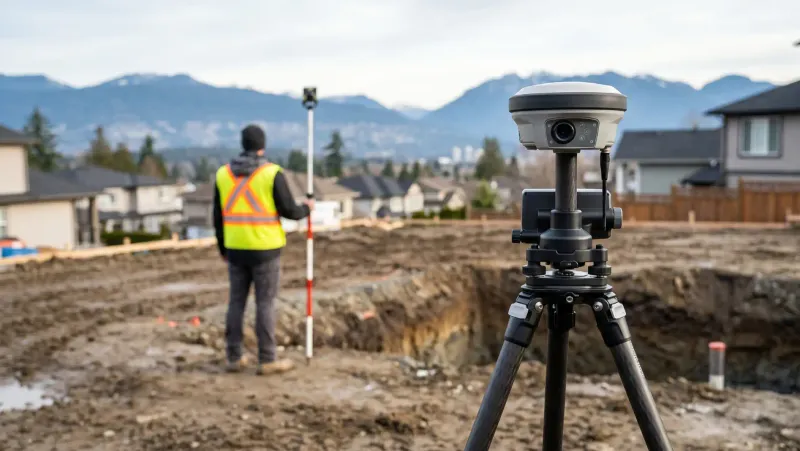
The most successful coach house projects follow a strict workflow: confirm lot eligibility with municipal zoning, perform an as-built survey of existing structures, design to current BCBC and Step Code standards, and submit a complete permit package with professional engineering seals. Skipping any step triggers RFIs, delays construction, and pushes back your rental income timeline.
Whether you are planning a detached coach house, a duplex conversion, or a full multiplex under SSMUH, the zoning window is open. Properly executed, these projects deliver long-term passive income while increasing your property's utility and market value.
Unlock Your Lot's Passive Income Potential
Not sure if your property qualifies for a coach house or duplex conversion? Our Zoning & Feasibility Review confirms eligibility, outlines utility requirements, and maps your permit pathway before you invest in design.
Check Your Lot's Eligibility or explore our SSMUH & Coach House Design Services.
FAQ: From Backyard Space to Revenue Stream
Can I build a coach house on any Metro Vancouver lot?
Most RS-zoned lots qualify under SSMUH/Bill 44, but eligibility depends on lot size, existing coverage, utility capacity, and municipal overlay restrictions. A zoning confirmation and as-built survey verify what your specific lot supports.
What is the difference between a coach house and a laneway house?
Terminology varies by municipality. Vancouver typically uses 'laneway house,' while Burnaby and Richmond use 'coach house.' Both refer to detached secondary dwellings in the rear yard, subject to similar size, setback, and Step Code requirements.
Do coach houses need to meet BC Step Code requirements?
Yes. All new secondary dwellings in BC must meet Step 3 or 4, depending on the municipality. This includes airtightness testing, HRV installation, and prescriptive insulation values.
How much rental income can a coach house generate?
Current Metro Vancouver market rates for detached coach houses range from $2,000 to $3,500+ monthly, depending on location, finishes, and proximity to transit. This income often offsets 30–50% of a primary mortgage.
Can I convert my home to a duplex instead of building a coach house?
Yes. SSMUH allows duplex conversions as-of-right on most lots. Duplexes require full fire separations, independent utilities, and egress compliance. Our feasibility review determines which option maximizes your lot's yield and ROI.
Canadian Blueprint Inc.
BC Building Design & Permit Drawings
Published April 18, 2026