







This guide breaks down the core difficulties of the current construction landscape, so you can ask the right questions and find the right partner for your build.
The Price Tag Paradox: Cost & Inflation
The most immediate shock for most homeowners is the cost. It's not just that prices are high; they are also volatile and complex. A builder's quote is a blend of hard and soft costs, all subject to market pressures.
- Hard Costs (The Build): This is the labour and materials—concrete, lumber, drywall, wiring, etc. Inflation and supply chain disruptions can cause material prices to fluctuate wildly even after a contract is signed. A shortage of skilled labour also means higher wages for qualified trades.
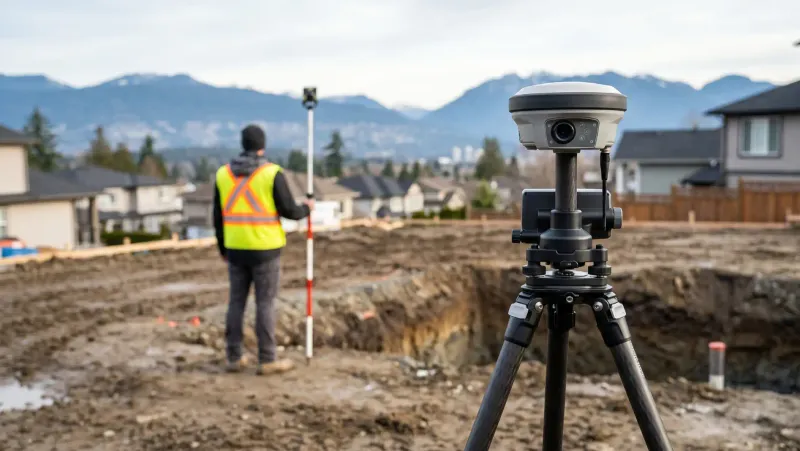
- Soft Costs (The Preliminaries): These are the costs to simply get to the starting line. They include municipal permit fees, development cost charges (DCCs), insurance, and design and engineering fees. These costs are often significant and can vary dramatically between municipalities.
- Builder's Margin: On top of these costs, a builder adds their overhead and profit margin (typically 10–20%), which covers their project management, site supervision, and business operations.
Because of this volatility, fixed-price contracts are becoming rarer. Many builders now use "cost-plus" contracts, where the client pays the actual costs plus the builder's margin. This shifts the risk of price increases onto the homeowner.
The Scarcity of Skill: Availability & Expertise
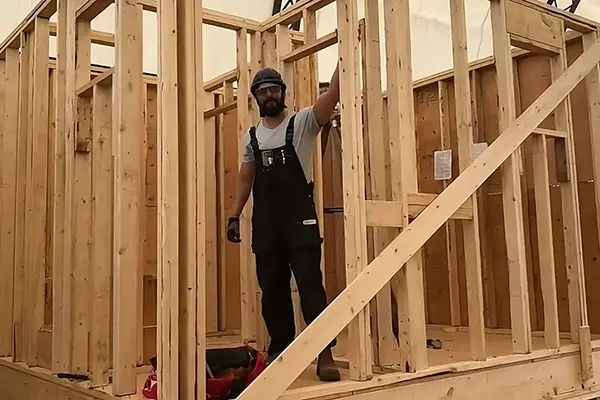
Metro Vancouver is facing a chronic shortage of skilled construction labour. This has two major impacts: long wait times and a wide variance in quality. Good builders are often booked a year or more in advance, and it's crucial to understand what kind of "builder" you are actually hiring.
The Gauntlet of Governance: Codes, Licenses & Liability
A builder's credentials are not a suggestion; they are a legal requirement for protecting you and your investment. Furthermore, the rules they must build to are a constantly moving target.
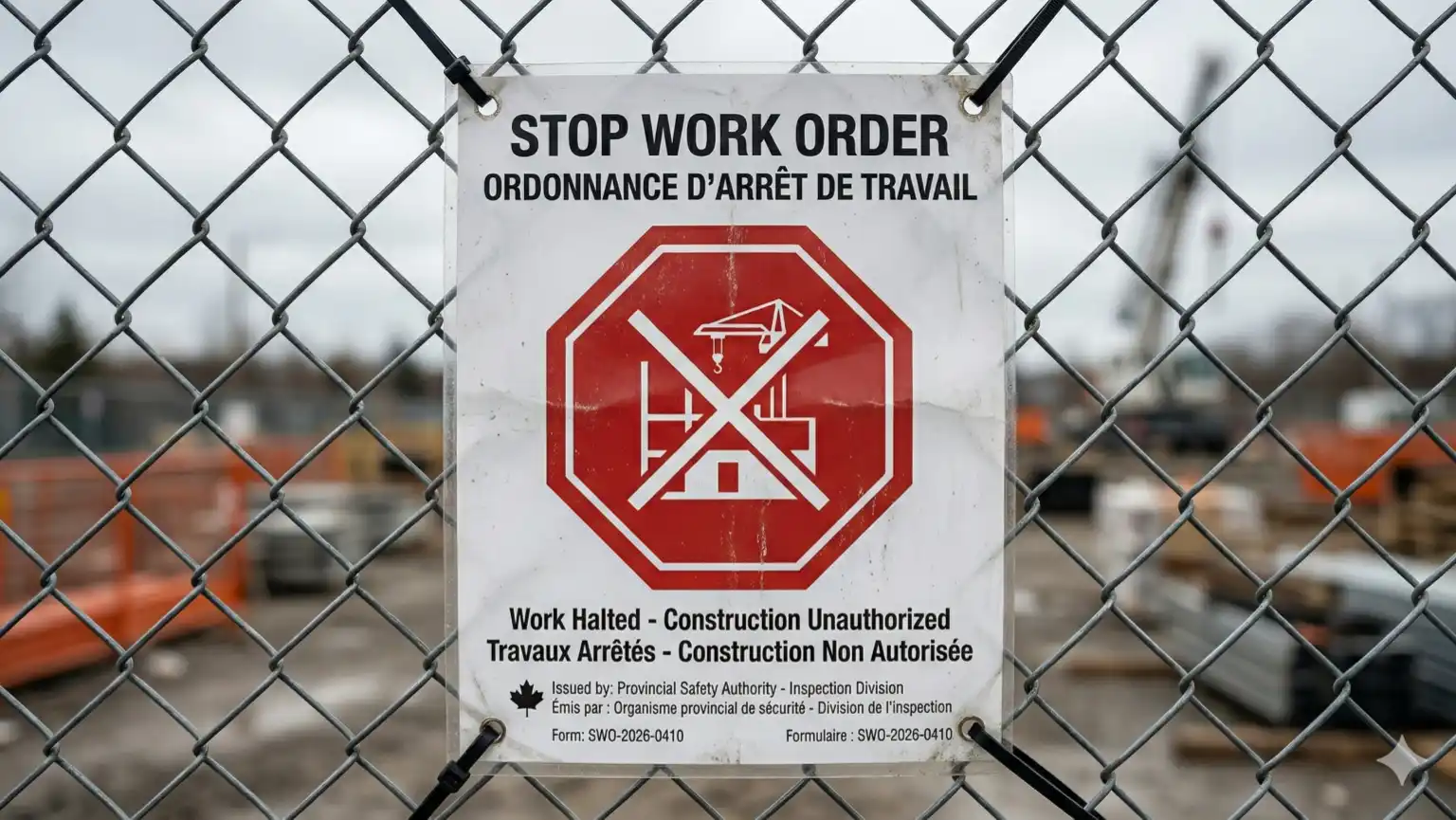
- Changing Building Codes: The BC Building Code is one of the most progressive in North America. Recent updates like the BC Energy Step Code (mandating high levels of energy efficiency) and the new overheating protection rules require builders to be constantly retraining and adapting their methods. An inexperienced builder can easily fail an inspection, causing costly delays.
- Licensing is Mandatory: Any builder of new homes in B.C. must be a licensed residential builder with BC Housing. This is non-negotiable. Licensing ensures they have the required qualifications, training, and carry warranty insurance.
- Essential Insurance: You must verify that your builder carries both WorkSafeBC (WCB) coverage for their crew and at least $2 million in General Liability Insurance. Without these, you, the homeowner, could be held liable for accidents or damage on your property.
Defining the Finish Line: Build to Drywall vs. Full Build
One of the biggest sources of conflict between homeowners and builders is a misunderstanding of scope. A detailed contract is essential, and it's important to clarify if you're signing up for a "full build" or a "build to drywall."
Your Best Defense: A Flawless Blueprint
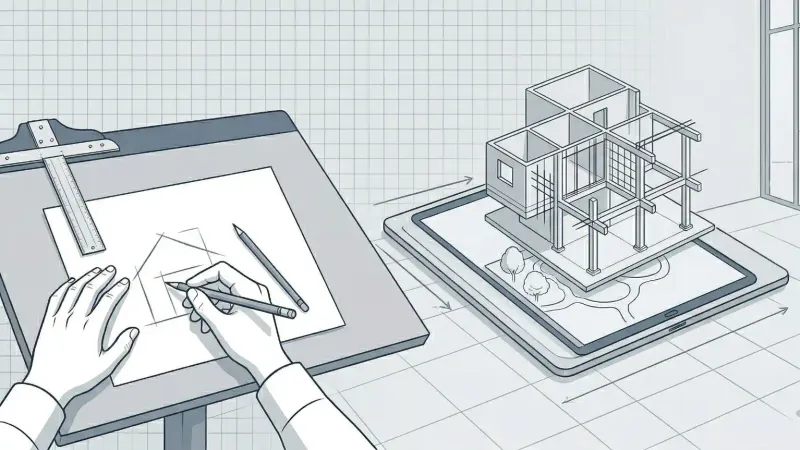
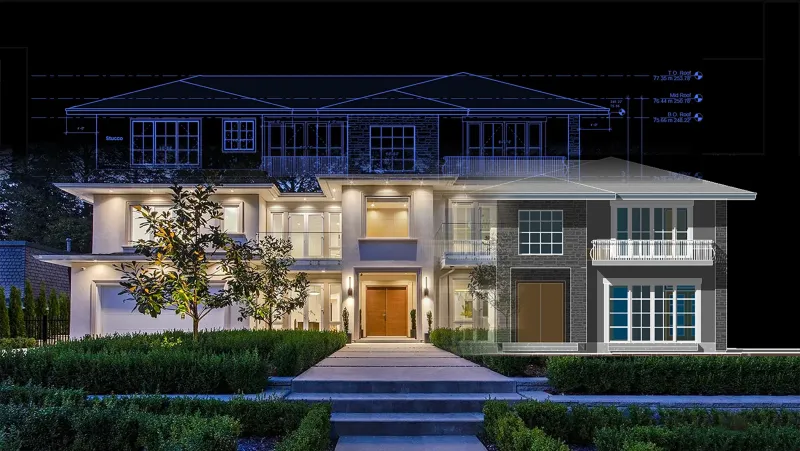
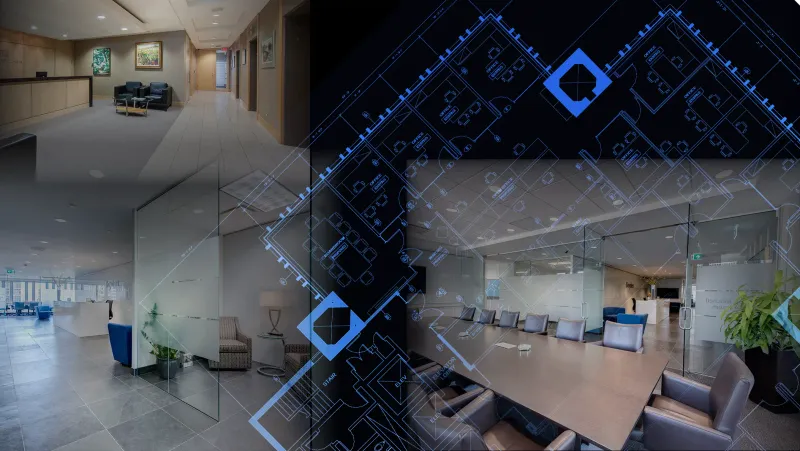
In a market this challenging, your most powerful tool is a set of clear, comprehensive, and code-compliant construction drawings. A detailed plan eliminates ambiguity and reduces risk. It allows you to get more accurate, apples-to-apples quotes from builders, as there is less for them to guess. It provides a clear roadmap for construction, minimizing the chance of costly on-site errors and failed inspections.
Navigating the builder gauntlet is difficult, but it's not impossible. By understanding the landscape and investing in a thorough design process, you arm yourself and your chosen builder with the best possible tool for success.
References & Further Reading
Canadian Blueprint Inc.
BC Building Design & Permit Drawings
Published July 21, 2025